Most women book their first brand session picturing a white backdrop and twenty minutes of smiling.
That picture comes from headshots. A brand session runs on a different clock.
The camera is the fourth step, not the first. By the time it comes out, the hardest work is already finished.
What follows is the real arc of a session, start to finish, told through a client who called for two headshots and left with a brand.
A brand photography session runs in four parts: a phone consultation, an in-person strategy meeting that defines the ideal client and the brand voice, the shoot itself with hair and makeup and a planned shot list, and an image selection meeting. The photos come last. The strategy comes first.
What happens in a brand photography session?
Four stages, spread over several weeks.
The consultation decides whether a brand session is even the right call. The strategy meeting defines who the photos are talking to. The shoot executes a plan that already exists on paper. The selection meeting decides which frames do which job across the website, social, and the press kit.
Headshot sessions skip the first two stages entirely. That is the whole difference, and it explains why two women can pay for professional photography and walk away with completely different results.
One walks away with files. One walks away with a working brand.
Why does the first phone call matter more than the portfolio?
Because the request that comes in is almost never the request that fits.
Nobody gets booked without a phone consultation first. That call is where the approach gets explained and where fit gets decided, in both directions.
A health coach called wanting two headshots for a new website. Reasonable ask. On the phone we talked through what brand photography actually covers: her with clients, working out, eating healthy, the full arc of the work done every day.
By the end of that call, the ask had changed. Not because of a pitch. Because the gap between two headshots and a website that sells had become visible.
If a woman works in a corporate office, two headshots is the correct answer and the call ends right there. That is the honest answer, and selling more than that would be a disservice.
If her business runs through her face and her point of view, headshots leave most of the story on the floor.
The stakes sit on the website. Stanford’s web credibility research found that 75% of people judge a company’s credibility by its website design. LinkedIn profiles with a professional photo pull 21 times more views and 36 times more messages, according to 2026 personal branding data.
The About page is doing more work than most founders think.
Why does the strategy meeting come before the camera?
Because a photograph cannot speak to a person nobody has defined.
The strategy meeting happens in person or over Zoom, and it runs like brand therapy with a business agenda attached. We define the ideal client. We define the brand voice. We map the photos across website, social media, PR kit, and sales pages.
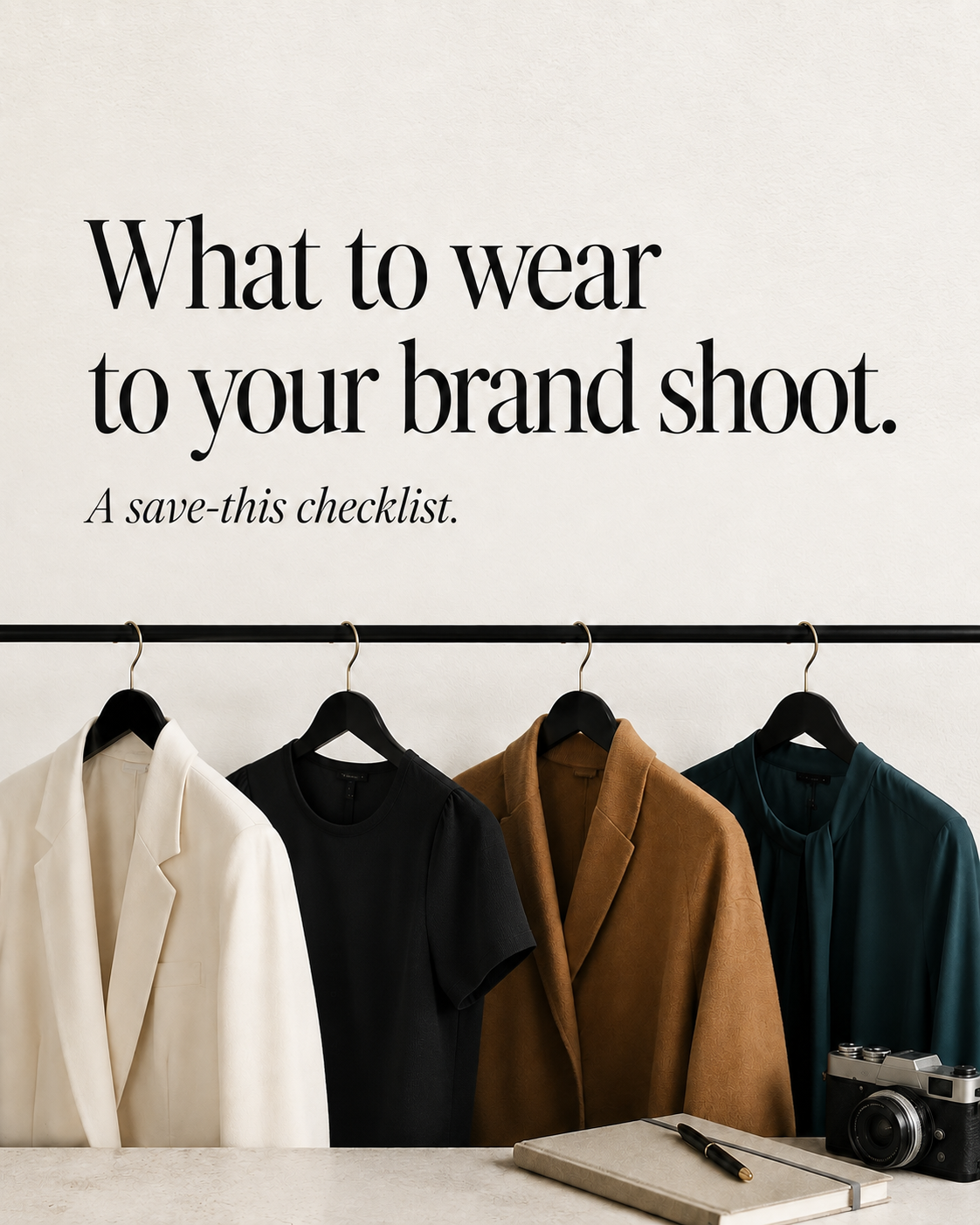
Then we plan wardrobe, choose locations, and build a mood board, so nobody walks into shoot day guessing.
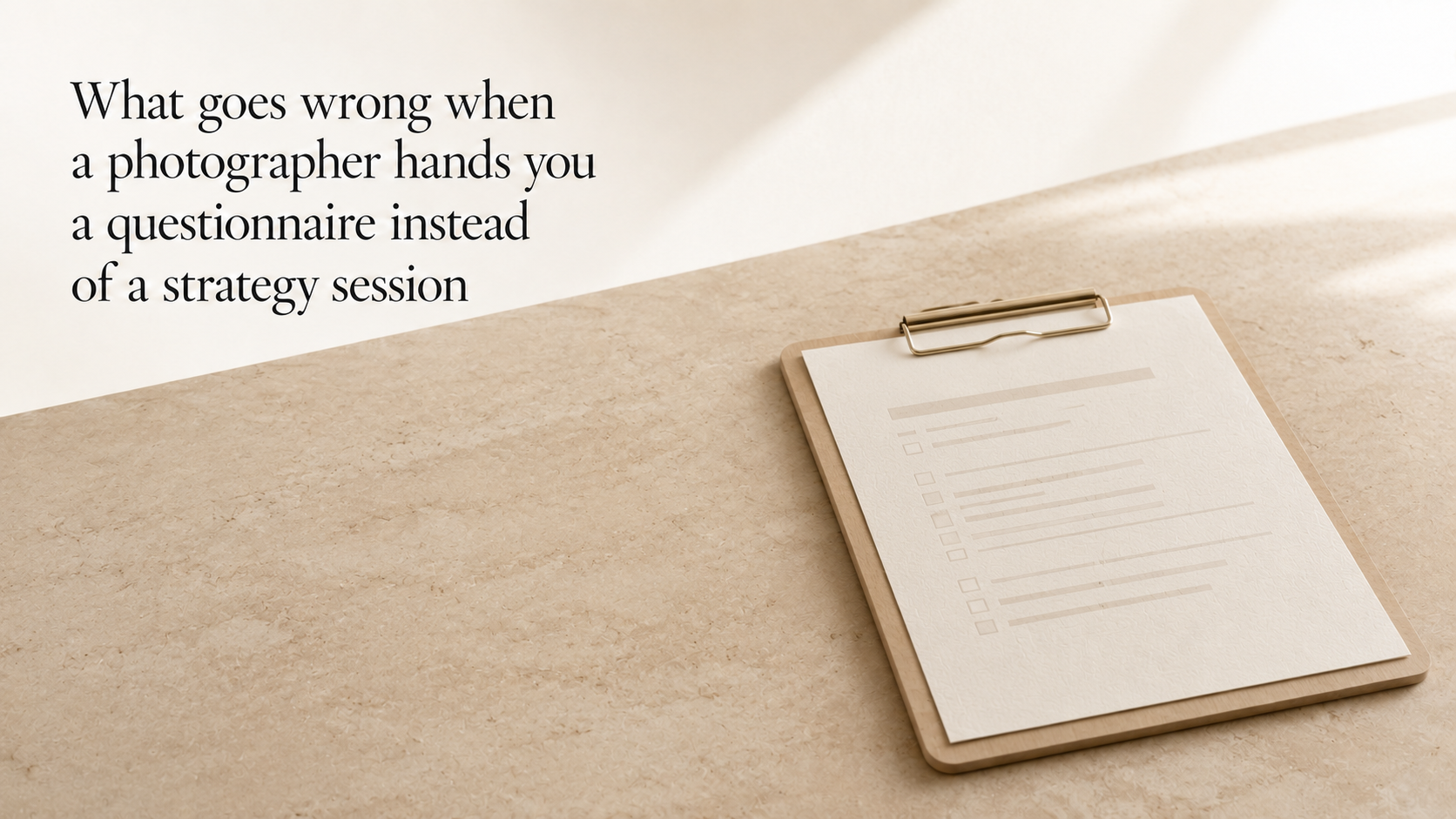
No questionnaire. No homework packet emailed out in advance.
Nobody fills those out. Even the women who do fill them out have no idea what to do with their own answers, because the answers were never the point. The conversation was.
The work happens in the room, together. That is the only way it actually gets done.
With the health coach, this is where the whole thing cracked open. Years into a real business, and the ideal client had never been defined. Not vaguely defined. Never defined at all.
Only the service had been thought through. Never the person it was for.
That is the lightbulb, and it lands in almost every strategy meeting, with women running businesses that already generate real revenue. Everyone assumes this part is handled. Almost nobody has done it.
Once the gap closes, every photo decision after it lands differently, because the person in front of the camera finally knows who the photos are talking to.
What does shoot day actually look like?
Hair and makeup first, then a shot list that already exists.
The morning starts with professional hair and makeup, because feeling ready changes what the camera picks up. Expression carries a photograph much further than wardrobe does, and expression comes from comfort.
Then we shoot the plan. Locations chosen in strategy. Outfits chosen in strategy. Scenes chosen in strategy.
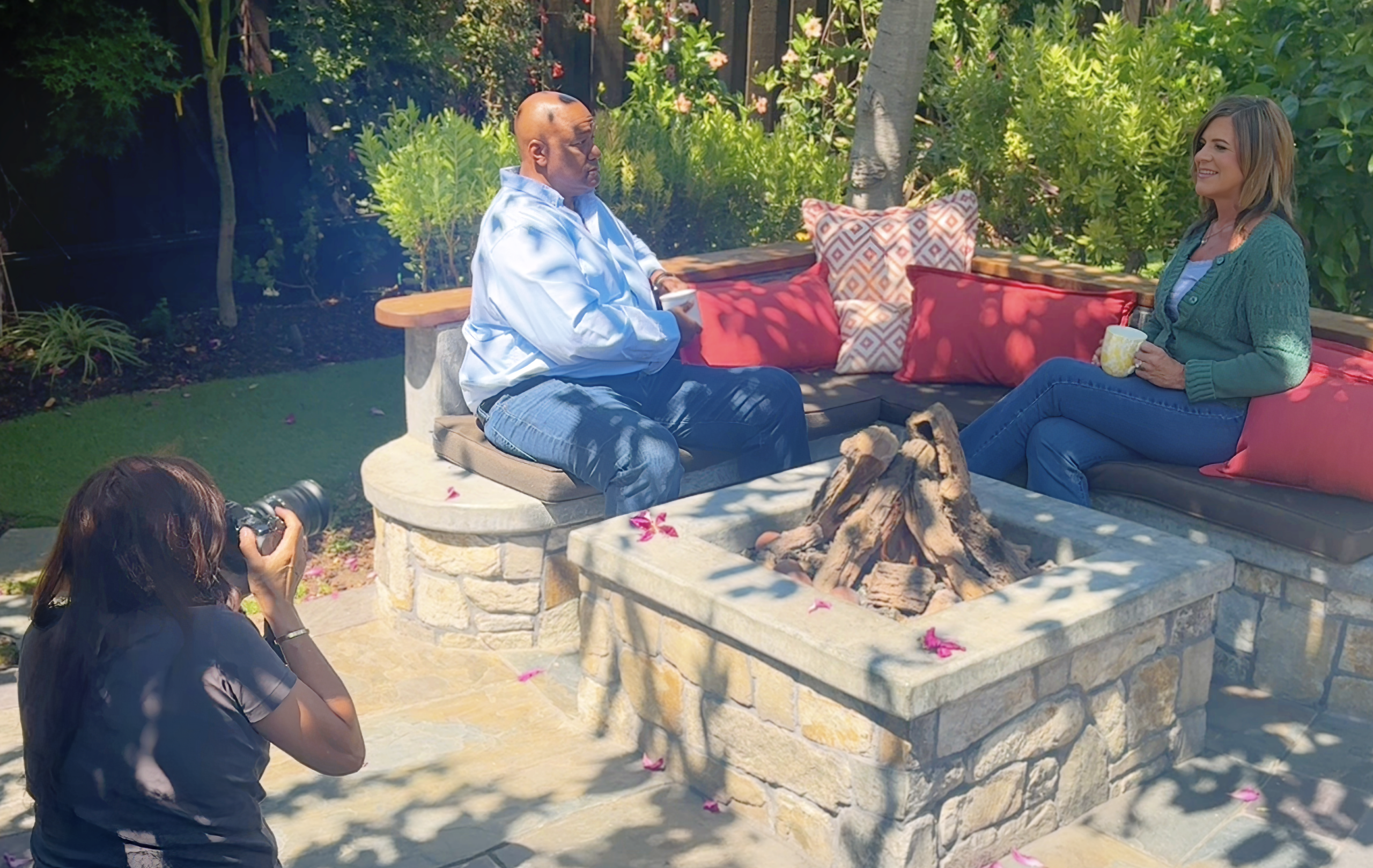
For the health coach that meant working with a real client, moving, preparing food, the parts of the business a studio backdrop cannot hold. Same person, five different situations, five different jobs on the website.
There is no clock on a brand session. It takes what it takes.
The only fixed-time work on the calendar is headshots, because headshots are quick by nature and pretending otherwise would waste everyone’s afternoon.
What does the shot list cover beyond the headshot?
The parts of the business that never make it into a portrait.
A finished brand set usually runs across five categories. The portrait, because every founder still needs a face for the About page and the speaker bio. The working shot, hands on the actual work, laptop open, notes out, whatever the job physically looks like.
Then the client interaction, which is the single most persuasive image in the set and the one most photographers never shoot. A woman deciding whether to hire you wants to see what sitting across from you feels like.
The detail shots come next, the objects and textures and workspace pieces that fill a carousel and break up a grid without another photo of your face.
Last, the environment. Wide frames of the space where the business lives, which double as website headers, LinkedIn banners, and email backgrounds.
Five categories, one wardrobe plan, one day. That set covers a website, a press kit, and months of posting.
Miss one category and the gap shows up later, usually the week a founder sits down to plan content and finds nothing usable.
Why are the images chosen together instead of by gallery link?
Because a gallery link hands the hardest decision to the person least equipped to make it.
Most photographers send a link and a deadline. The client opens a folder full of images, freezes, picks the frames where her hair looks best, and misses the ones that would have carried the entire website.
We sit down together instead, in person or over Zoom, and go through the set. This one is the About page. This one is the LinkedIn banner. These four run as a carousel. That one goes to press.
Different conversation than “which ones do you like.”
Then the selects get retouched, requested adjustments come back, and the final gallery goes out with the AI marketing suite attached.
What happens after the gallery is delivered?
The photos either start working, or they die in a Dropbox folder.
Delivery is where most photography relationships end, and it is exactly where most galleries stop being useful. The images are good. The founder is busy. Nothing gets posted.
The math is brutal for a solo operator. Over half of marketers spend more than ten hours producing visual content, and almost 30% spend more than twenty hours on it. A woman running her own business does not have a second work week available.
So delivery includes a Canva template suite: LinkedIn headers, Instagram posts, covers, carousels, Facebook covers, email signatures, webinar slides, letterheads. The new images drop straight into layouts that already work.
Delivery also includes the AI Marketing Suite, eight named experts built for the parts founders stall on.
Leo writes bios. Sonia plans social media. Carter repurposes content. Marta runs email campaigns. Megan writes website copy. Petra builds PR and media kits. Luca writes VSL scripts. Kane architects keynotes.
For the health coach, that was the piece that made a full gallery feel usable instead of overwhelming. Every photo had a purpose already assigned: website, blog, social media.
What should you ask a photographer before you book?
Four questions separate a real brand session from a headshot session wearing a nicer name.
1. What happens before the shoot? If the answer is a questionnaire, the strategy layer is decorative.
2. Who defines my ideal client, and when? If nobody does, the photos will be pretty and mute.
3. How do we choose the images? A link and a deadline is a warning sign, not a service.
4. What do I get after delivery? A folder of JPEGs is a folder of JPEGs, no matter how good the retouching is.
Sixteen years in business and 250+ five-star reviews across Yelp, Google, and Facebook, and the comparison that comes up most often from clients is about the strategy sitting behind the photos. Very few photographers have one.
What a session breakdown really tells you
The session is not the product. The session is the middle of the product.
Everything before it decides whether the images have a job. Everything after it decides whether the images ever get used.
The stages a client remembers most are the ones with no camera in them at all.
Look at the health coach arc end to end and the pattern is obvious. The call reframed the request. The strategy meeting produced the first real definition of who the business serves. Shoot day executed a plan that already existed. Selection assigned every frame a destination. Delivery handed over the tools to keep the images moving.
Remove any one of those and the outcome changes. Remove the strategy meeting and the photos are pretty and mute. Remove the selection meeting and the best frames sit unused behind the ones with better hair. Remove the delivery tools and the whole gallery waits on a founder who is already the entire marketing department.
Photographers compete on the middle step, because the middle step is the fun one and the one that fills a portfolio. Clients get burned on the first and last steps, which is why so many women have already paid thousands for images they never used.
Ask about those steps before you look at anyone’s portfolio, including mine.
Frequently asked questions
How long does a brand photography session take from start to finish?
Plan on several weeks from the first phone call to the delivered gallery, not several days. The consultation comes first, then the strategy meeting, then shoot day, which has no fixed end time. Retouching and the joint selection meeting fill the final stretch before delivery.
What is the difference between a brand photography session and headshots?
Headshots are portraits of your face, built for corporate directories and quick profile updates. Brand photography covers the full arc of your business: you working, you with clients, the spaces where the business actually happens. Headshots answer what you look like. Brand photography answers what working with you feels like.
Do I need to prepare anything before the strategy meeting?
Nothing. No questionnaire, no homework, no mood board built alone at midnight. The ideal client work and the brand voice work happen together in the room during that meeting. Bring your calendar, your questions, and any images that already feel like your business.
What do I actually walk away with after a brand session?
A retouched gallery chosen together image by image, with each photo assigned to a specific job across your website, social media, and press kit. Delivery also includes the Canva template suite and access to the AI Marketing Suite, eight named experts that handle bios, social planning, email, website copy, and PR.
Book the call before the camera
The two headshots you think you need might be the right answer. That gets decided on a phone call, not on a checkout page.
Book your consultation and find out which session your business actually needs.
About the Author: Gaby Clark